


My Acne Story
By Suki Zhu (RN)
Acne is a condition very close to my heart. I’ve battled it throughout my teenage and adult life, and I have seen it affect many of my close friends and family.
For as long as I can remember, my acne felt like a dark cloud that never quite passed. It wasn’t always obvious, but it was constant — heavy enough to follow me everywhere and quietly take up space in my mind. To say acne was the bane of my existence would be an understatement.
But it wasn’t always dark and gloom. Acne taught me resilience and that beauty is more than skin deep. It pushed me to look inward, and ultimately, it’s what ignited my passion for skin.

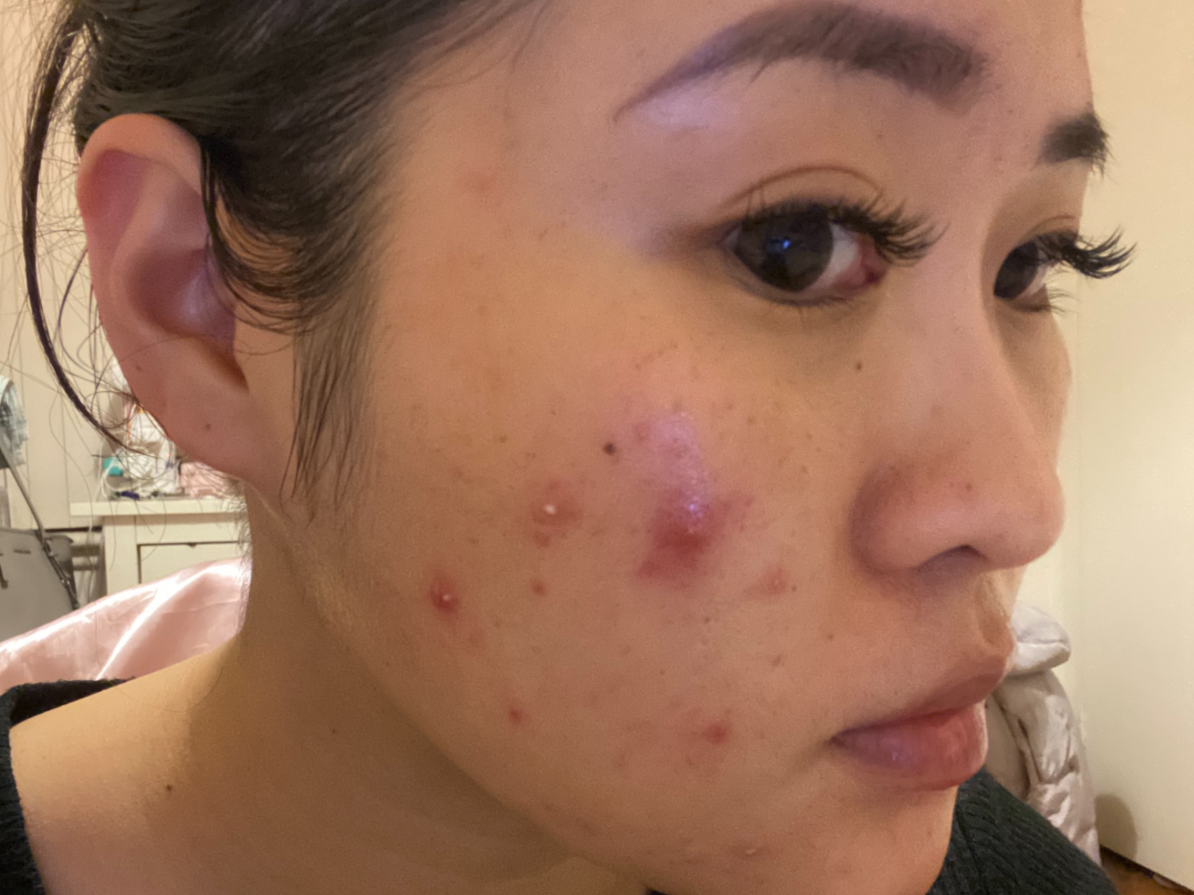
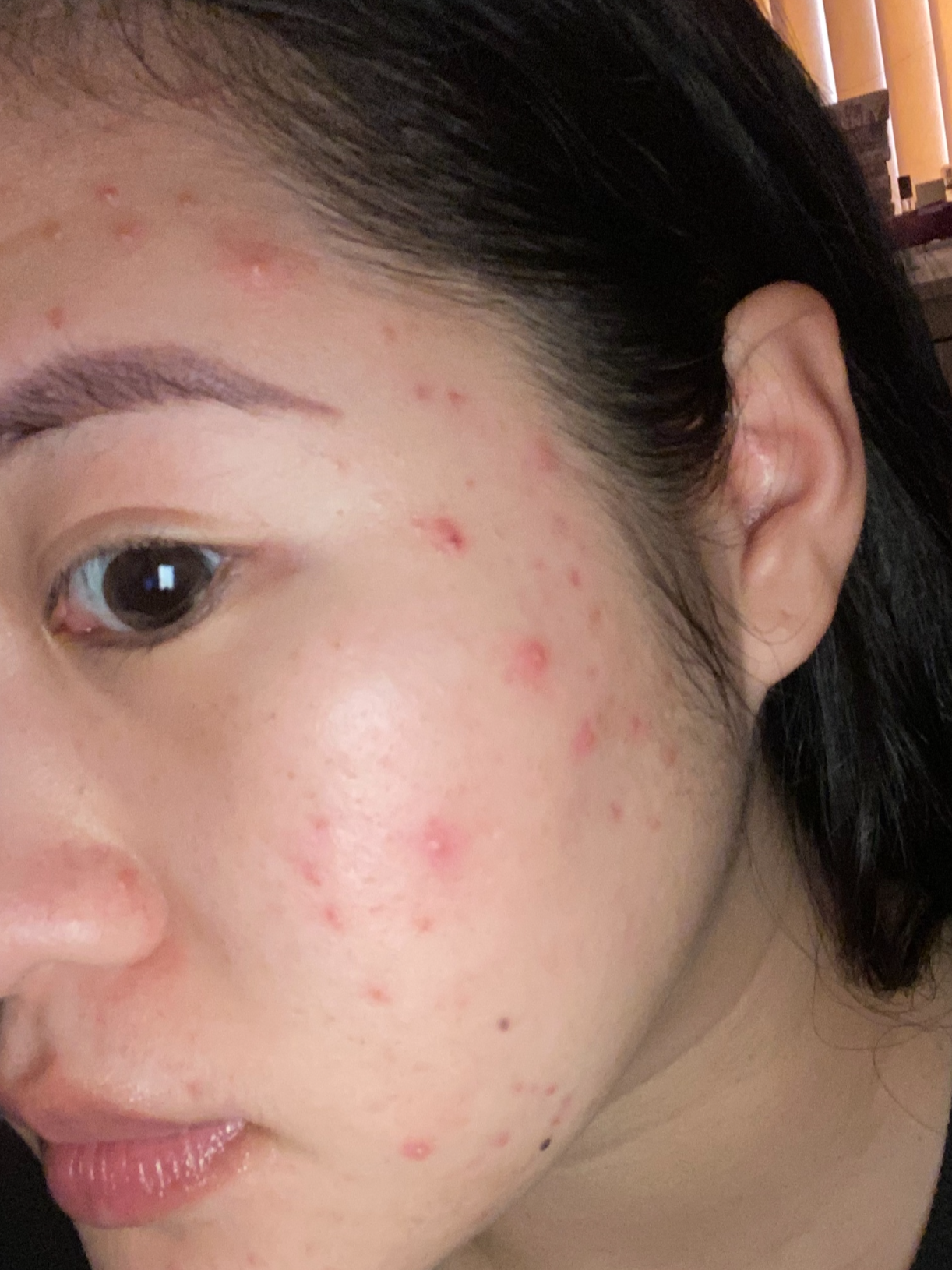
I’ve been dealing with acne since year 7. At first, it was the usual teenage breakouts that would come and go, but in my 20s it became hormonal and cystic. The breakouts were deep, painful, and would hang around for weeks, often leaving pigmentation behind once they healed.
I was constantly researching how to clear my skin, trying every product I could get my hands on. Instead of helping, most of them damaged my skin barrier and left my skin irritated and inflamed.
I was eventually prescribed the pill and antibiotics. While they helped temporarily, the side effects were challenging, and when I stopped taking them, my acne came back worse.
I then went on Accutane. It cleared my skin initially, but once I finished my course, my acne returned — and it was the worst it had ever been.
At my lowest point, I barely wanted to leave the house. I spent days in my room, avoiding the world altogether.
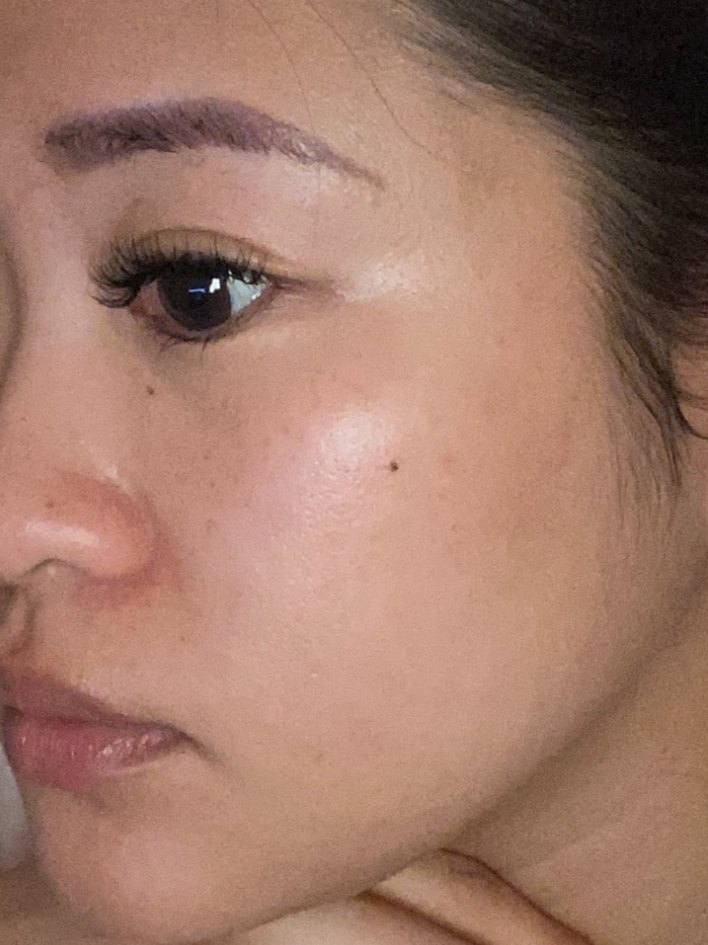
That’s when I decided to truly educate myself on acne and skin health, and shift my focus to overall wellness. I started professional skin treatments and made changes to my skincare routine, diet, and lifestyle. Over time, this led to the best skin I’ve had in a long while.
My skin still isn’t perfect, and my acne isn’t “cured,” but I now understand my triggers, and have learnt to show myself kindness on those harder skin days.
If you’re reading this while navigating your own journey with acne, know that this isn’t forever, even when it feels like it is. With time and the right treatment, it’s possible to regain control and find healthy skin, whatever that looks like for you.

I’m going to share everything that’s helped me along the way, but remember — this isn’t medical advice, everyone’s skin is different, so what worked for me might not work for you. And if your skin is really taking a toll on your mental health, please reach out for professional support — there’s help available.
Food and Nutrition
Things I’ve learnt from working alongside naturopaths have really changed how I view skin and overall health. Understanding the link between inflammation, blood sugar and cortisol has been huge — and at the root of it all, reducing inflammation is key. And remember, you don’t have to be perfect… you still need to enjoy your life.
1. Regular mealsWhen you’re eating carbohydrates — whether that’s fruit, vegetables, grains or sugar — try to pair them with a fat or protein. This helps slow digestion and gastric emptying, leading to a more gradual rise in blood sugar and steadier energy levels, while also supporting insulin sensitivity. It doesn’t need to be complicated — something as simple as fruit with a handful of nuts does the trick.
2. Morning coffeeFor those of you who love a coffee first thing in the morning (like me), try to have it alongside some protein. It can be as simple as a few Brazil nuts, or I add my Vita-Sol collagen boost powder to my coffee for an easy 8g protein hit. This will help stabilise your blood sugar.
3. LESS PROCESSED FOODSSubstitute high GI foods (e.g. refined, sweetened and highly processed products) with foods that have a low GI (e.g. wholegrains, fruits with edible skins) or are high in protein (e.g. eggs, lean meat). If you’re not getting enough greens in, supplements like Vita-Sol Purity Greens can be a godsend. I’ll have it in a shot glass a few times a week to top things up.
4. MORE SUPERHERO FOODSTry to include these foods throughout the week:
Raw carrots – support estrogen detox and hormonal balance
Green tea – helps reduce inflammation and sebum, great for acne-prone skin
Reishi mushroom – supports hormone balance by reducing excess DHT
Spearmint tea – anti-androgen properties that can help with hormonal acne (aim for up to 3 cups daily)
Cinnamon – anti-inflammatory and helps regulate blood sugar
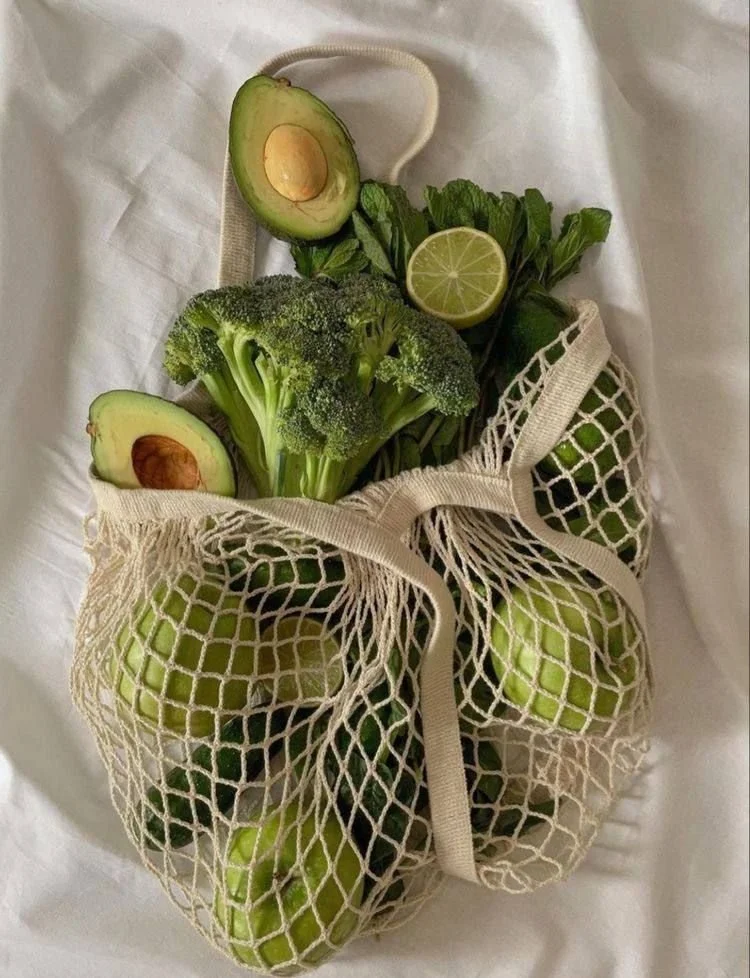
The good oils – Most diets are high in omega-6, so focusing on increasing omega-3 is key for reducing inflammation. This can come from oily fish like salmon, sardines, mackerel, trout and tuna, as well as healthy fats such as avocado and olive oil. If you’re not regularly eating fish like me, a good-quality supplement like Vita-Sol fish oil can be an easy way to support a better omega-6 to omega-3 balance.
Lifestyle tips that go without saying…
Eat well, stay hydrated, get enough sleep, manage stress, and move your body — the basics that make a big difference to your skin and overall health.
Skincare
This has played a huge part in how I’ve managed to get my acne under control. For most people, a simple, evidence-based skincare routine includes vitamin A at night, vitamin C in the morning, and SPF daily. If your skin is acne-prone, there are a few extra things to keep in mind:

-
Mineral, or physical sunscreens are my go-to for inflammatory skin types because they usually contain zinc, which is anti-inflammatory and soothing. These days, physical sunscreens are actually really lightweight and cosmetically elegant — no more thick, oily feel or whitecast. My favourites are UberZinc from Synergie Skin and Pretty in Zinc from Airyday.
-
Acne-prone skin often benefits from extra exfoliation that’s gentle but effective, and formulation really matters. My favourite acids include salicylic acid (BHA) and AHAs like azelaic acid, mandelic acid, and lactic acid. Chemical exfoliants help reduce sebum build-up, remove dead skin cells, and keep pores clear — but you don’t need to use everything.
My go-to is ExFol-X. It contains mandelic acid, which has antibacterial properties and is a larger molecule than other AHAs like glycolic, making it gentler on the skin. It also includes BHA to help reduce inflammation, and lactic acid to hydrate and prevent dryness. I recommend using it 2–3 times a week, and not at the same time as your other actives to minimise irritation.
If you skin is irritated, red and inflammaed, you may be over exfoliating. When it comes to exfoliation, always listen to your skin and dial down as needed.
-
Vitamin B – This is an absolute essential ingredient for strengthening your skin barrier, boosting hydration, reducing pigmentation, and calming inflammation. It also works beautifully alongside vitamin A.
Vitamin A – Over time, this ingredient can truly transform your skin. It helps reduce acne scarring, sebum production and keeps your pores clear. The key is choosing a gentle yet effective form. Not everyone can tolerate tretinoin (trust me, I’ve been there!). Acne-prone skin is usually sensitive, so too much of a good thing can actually damage your barrier and trigger more breakouts and inflammation.
Vitamin C – This should usually be added only once your acne is under control. Vitamin C can help reduce pigmentation, fight free radicals, and stimulate collagen, but many with acne-prone skin find it irritating because of its potency and acidity. L-ascorbic acid is the gold standard, but if your skin struggles with it, look for gentler, pH-balanced forms. My go-to is Potent C from Synergie Skin, which uses Ascorbyl Tetraisopalmitate — gentle but still effective.
Professional Treatments
Once my skin is starting to clear, this is where the fun part begins — tackling pigmentation and scarring! This is where I really got to transform my skin and bring out that healthy, even glow.
-
This is such an awesome multi-tasking treatment for post-acne scars and pigmentation, while also gently exfoliating and strengthening the skin over time. Your acne should be well-controlled before starting. In the clinic, we often pair it with a peel designed for use after needling to boost results.
We also use advanced techniques like stamping, sometimes combined with subcision, to target deeper indented scars.
-
Rejuran is an injectable treatment for skin repair and rejuvenation, especially after acne. It uses polynucleotides to work deep in the dermis, strengthening your skin, improving texture, and reducing post-acne scarring over time.
It can be combined with needling or other targeted treatments to smooth indented scars and restore healthy, resilient skin — with the bonus of a beautiful, glassy glow.
